

We’re better than ever, but it’s much the same as always
– Digital transformation? What’s the point of that, when we’ve always done things this way and it’s always worked for us? – Yes, but how much time do you spend updating that analytical data in Excel to get the figures? – Quite a lot, but it’s worth it; the information we include is very comprehensive and we can even find out […]
– Digital transformation? What’s the point of that, when we’ve always done things this way and it’s always worked for us?
– Yes, but how much time do you spend updating that analytical data in Excel to get the figures for the month-end?
– Quite a lot, but it’s worth it; the information we include is very comprehensive and we can even work out the contribution margin based on certain assumptions about stock levels.
– Right, but doesn’t the ERP give you that straight away?
– ER what…?
– We’re better off than ever, but it’s a bit of the same old, same old…
Perception is a matter of individual perspective, but reality is what it is
“We’re better off than ever, but it’s a bit the same as always,” one businessman finally remarked to another in that cordial conversation, with a touch of sarcasm and conveying some carefully measured conflicting feelings.
A curious expression. After giving it a moment’s thought, a multitude of everyday and personal situations sprang to mind that I could equally use to describe it. I thought that as well as being a handy turn of phrase, it was an elegant one, because using it to start a conversation would guarantee a moment of the audience’s undivided attention and silence, which I could then draw upon to support my story.
This interpretation of the concept of the present tense, as projected from the past, is possible because we possess life experience and historical knowledge that allow us to draw a distinction between a ‘before’ and an ‘after’—a time prior and a time subsequent—by identifying quantitative or qualitative differences.
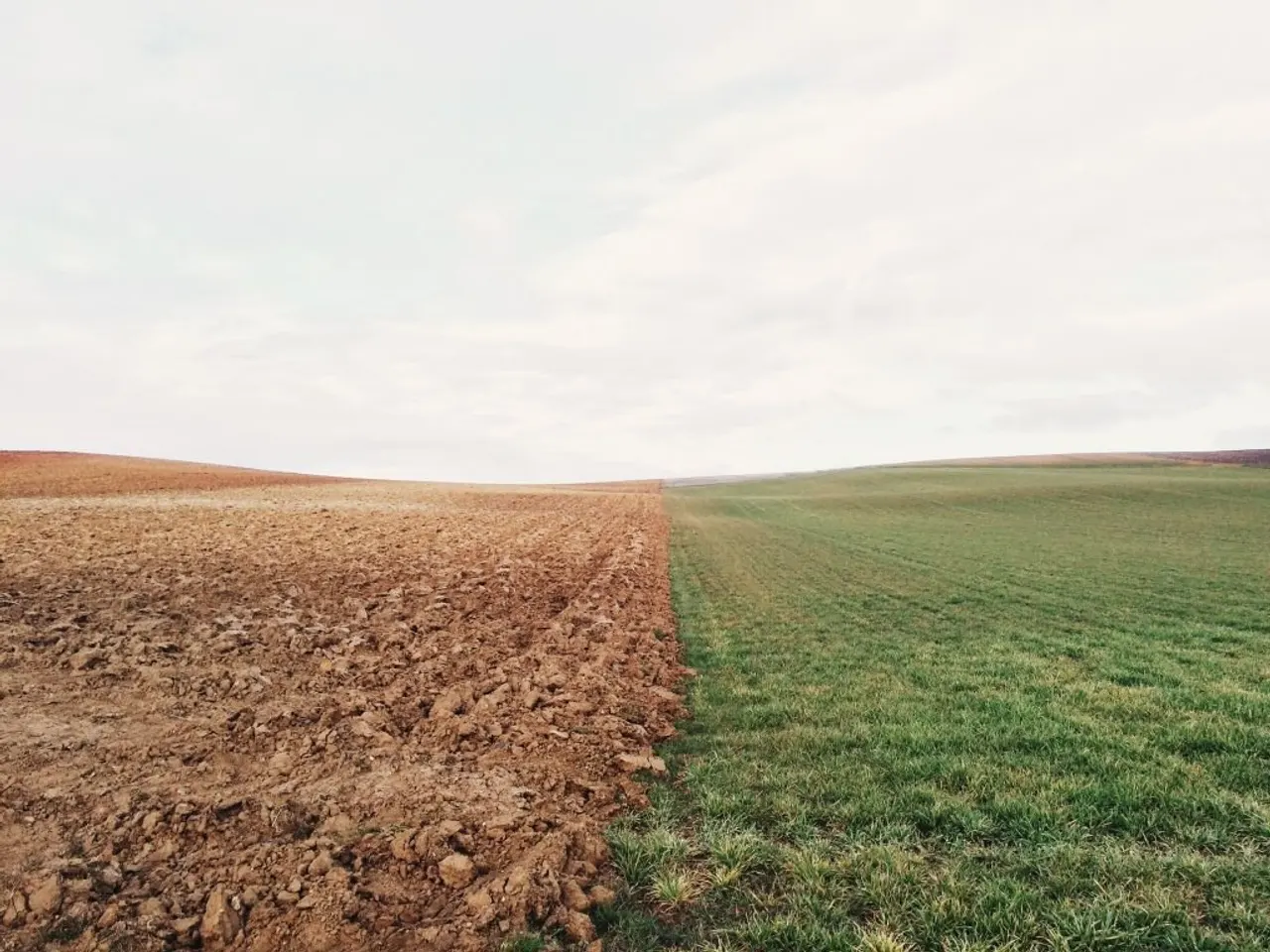
The human mind is so marvellous that, in becoming aware of these differences, it allows us to draw an imaginary dividing line in time between a past moment and a present one, as if there had been no transition between them and as if we had been asleep in the meantime (or ‘asleep’, although Cela has already taught us that this is not the same thing).
No past era was better
In this contemporary history in which we live, we are constantly moving from one revolution to the next, from one crisis to the next, and from one change to the next. Since the First Industrial Revolution, which coincided with the French Revolution, we have experienced a second and even a third. The changes that have taken place in society have been evident, from the manufacture of the first steam engine through to the widespread use of renewable energy and mass, affordable access to the Internet, via the use of new energy sources such as oil and electricity.
In this regard, it would therefore be easy for us to draw that imaginary line between revolutions, particularly as we know from history the way of life and conditions under which successive generations lived, as they adapted to these technical and technological discoveries.
But the reality is that, historically, change and adaptation were gradual and, above all, uneven across the different societies of the time. Timelines are an illusion created by our minds. There were continents, countries, cities and, within them, strategically positioned social classes that were able to learn about, develop and apply technological advances and the knowledge generated, very gradually, decade after decade, whilst other classes or societies remained unable to access them, still mired in the Middle Ages. Not only that, but their progress was also uneven, being faster or slower depending on how technically and technologically advanced they were.
Progress is not black and white, but rather exists entirely on a grey scale. And the past was full of dark shades of grey.
The paradoxical nature of progress
Paradoxically, however, as we went through revolutions, progress accelerated exponentially over time and, thanks to developments in transport and communications, gradually reversed its trend of clear technological divergence towards a convergent technology that was easily accessible to all. In other words, the global socio-economic environment has gradually fostered democratised access to products and services – particularly technology and information – through reasonably affordable global connectivity. That said, we must of course bear in mind that the global and national socio-political situation will inevitably maintain certain imbalances and inequalities.
And it is curious that, amidst this trend towards becoming technologically indistinguishable from the rest, we continue to be surprised by the changes we have been experiencing in recent years. This time, not because of those significant differences in status or the passage of time between eras, but because of the dizzying pace of change that we have witnessed first-hand. In other words, we are once again drawing those imaginary lines in our perception of change, no longer based on the changes experienced over decades, but on those that have taken place in just a few years.
Progress is, above all, about opportunity… and decision-making
But right now, at this very moment, is when we can say that, historically speaking, we are living in a time of greater equality of opportunity – in practice – in terms of access to products and services, to technology and to information. It is now, in this convergence shaped by progress, that people’s freedom is empowered to decide to seize the opportunities offered by technology, wonderfully establishing itself as a distinguishing factor in competition with the rest of their peers.
In other words, what sets us apart now is not technique or technology, but the decision itself.
We can no longer do anything about the past, but we can act decisively in the present. It is only through our current decision-making that we will manage, in the projection of events just a few years from now, to cross over to that side of the imaginary line where those who set themselves apart and survived will be found, having seized the opportunities that technology handed them on a plate.
Let us break the lines. Let us make the decision to break them.
The moral of the story
– ‘But we’ve always done things this way, and it’s always worked for us’
– I’m too old to catch up with new technologies.
– After all, my children are the ones who know their way around social media; if I needed to, I could count on them.
– If we don’t have time in the company to change or transform the way we do things.
– After all, this ‘digital transformation’ is just a fad.
“We’re in a situation like never before, but a bit like always”