Promoting financial transparency and operational growth
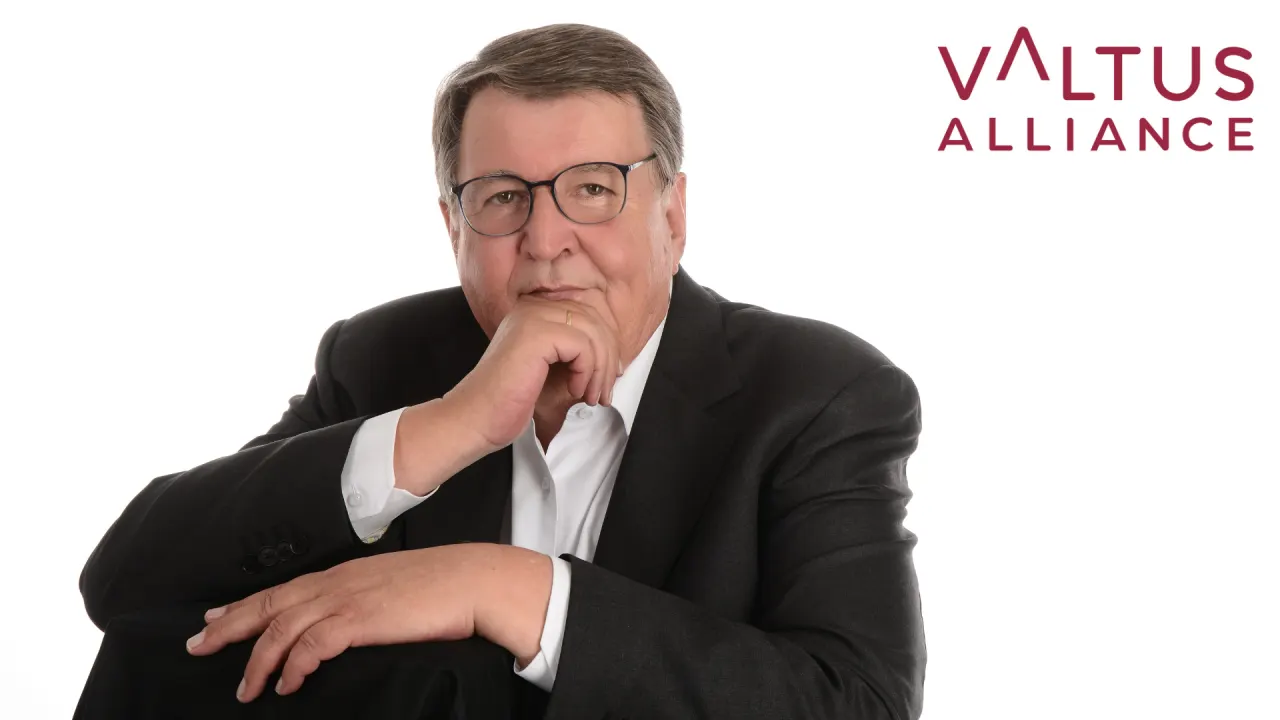
Pedro Rugeroni is an experienced finance professional with an impressive and varied international career. Starting out as an auditor and consultant at Arthur Andersen (now Deloitte), Pedro built a solid foundation in financial controlling and strategic business support. His career has taken him across multiple sectors — including advertising, IT, public media and […]
Pedro Rugeroni is an experienced finance professional with an impressive and diverse international career. Starting out as an auditor and consultant at Arthur Andersen (now Deloitte), Pedro built a solid foundation in financial controlling and strategic business support. His career has taken him across multiple sectors — including advertising, IT, public media and hospitality — where he has repeatedly led financial transformations and supported corporate restructuring. He has worked with both large public institutions and private companies, helping them with organisational change management and performance improvement. As an Executive Interim Manager, his mission is to support companies during periods of transition by stabilising operations and building platforms for sustainable long-term value.
We spoke to Pedro about his recent assignment as Interim Finance Manager at BEWI Group Portugal, a company that provides sustainable packaging, components and insulation solutions, whilst championing the circular economy. The project was carried out in collaboration with members of the Valtus Alliance: EPUNTO Interim Management (a Valtus Alliance member in Spain) and Nordic Interim SE (a Valtus company in Sweden).
What was the situation at BEWI when you joined as Interim Finance Manager?
“When I joined, BEWI Portugal was at a crucial juncture, undergoing development in several key financial areas. The company had faced challenges in meeting financial reporting deadlines, and communication between the local team and head office needed to be strengthened. At that time, there were two accountancy firms supporting different areas, which created some complexity in the flow of information and the consistency of data. My approach was to bring clarity, streamline processes and support the team in aligning local operations with the group’s requirements.”
What was your first step in tackling these challenges?
“My initial priority was to understand the company’s culture — both within the Portuguese subsidiary and at group level — to identify any operational gaps and nuances in communication. It was clear that much of the operational know-how resided within the subsidiary, and ensuring that this local expertise was recognised and utilised effectively was key. Building mutual trust and clarity on expectations was essential to establishing a collaboration that worked for everyone.”
How did you go about stabilising the financial situation?
“Transparency and consistency were at the heart of our work. One of the first steps was to establish accurate financial reports and adjust the balance sheet to reflect the true state of the business. Alongside this, we introduced structured financial planning processes, including budget control, forecasting and defined KPIs. These tools provided visibility into performance and supported better financial decision-making. We also strengthened the ERP system to ensure smoother day-to-day financial operations.”
“Operational optimisation was a key focus. There were opportunities to improve internal communication and reduce some unnecessary complexity within the reporting processes. The team in Portugal was committed but under significant pressure, so it was important to implement the changes gradually and collaboratively. We worked together to simplify workflows, clarify responsibilities and create more efficient structures. For example, we arranged for external consultants to spend more time on-site, helping them to gain a deeper understanding of the company’s context and fostering more productive cooperation.”
What changes did you make from an operational perspective?
“Operational optimisation was a key focus. There were opportunities to improve internal communication and reduce some unnecessary complexity within the reporting processes. The team in Portugal was committed but under significant pressure, so it was important to implement the changes gradually and collaboratively. We worked together to simplify workflows, clarify responsibilities and create more efficient structures. For example, we ensured that external consultants were more present on-site, helping to deepen their understanding of the company’s context and fostering more productive cooperation.”
What was your leadership approach during this project?
“As an Executive Interim Manager, I believe in acting decisively yet respectfully. My approach is based on clear communication, practical solutions and active collaboration with the existing team. I aim to create stability quickly, but always with an eye to the long-term impact. During assignments like this, it is important to support the local team, empower them and prepare the organisation for the future.”
Did your role involve more than just finance?
“Yes, definitely. Although financial stabilisation was a core responsibility, the role also included overseeing HR, IT and administration at a local level. These areas are closely interlinked, and by supporting them collectively, we were able to ensure that overall operations remained aligned and functional during the transition. It was important to maintain continuity and build a resilient structure for the future.”
What are you most proud of from this project?
“I’m proud of the partnership we built between the subsidiary and the group, and of how the local team responded to the changes. Together, we were able to close the books, get financial reporting back on track and implement robust planning tools for the future. Communication improved significantly, and we laid the foundations that supported the successful recruitment of a permanent finance manager. I was pleased to complete a detailed handover, ensuring continuity after my departure.”
What advice would you give to companies considering hiring an Executive Interim Manager?
“My advice is to be proactive. Often, companies only seek support when problems have become critical. But interim managers can add significant value even earlier, when the first signs of misalignment or inefficiencies begin to emerge. We bring a fresh, independent perspective and a dedicated approach to help companies overcome specific challenges and prepare for a stronger future. There is always a way forward, especially when action is taken in good time.”
Pedro Rugeroni’s work at BEWI Portugal illustrates how interim financial leadership can help companies gain clarity, improve communication and prepare for growth. Through close collaboration, a clear strategy and thoughtful leadership, BEWI Portugal was able to strengthen its financial structure and operational efficiency. The results of this assignment provide a solid platform for continued development and serve as a prime example of how interim support can empower both people and the business.