The skills that the interim manager of the future will need to master
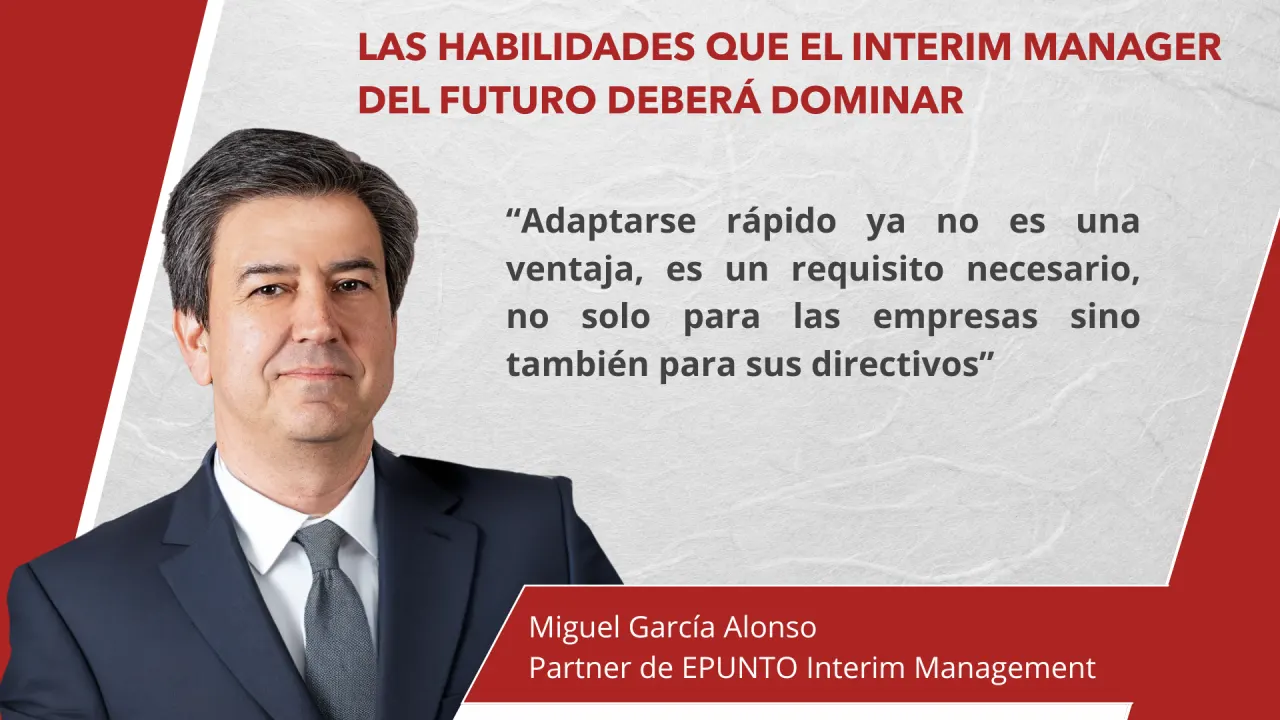
In a context where digitalisation, sustainability and artificial intelligence already shape the day-to-day running of businesses — and are set to become even more prevalent in the coming years — leaders must combine decisiveness with the ability to learn and adapt continuously. Therefore, developing skills that go beyond the present to […]
In a context where digitalisation, sustainability and artificial intelligence already shape the day-to-day running of businesses — and are set to become even more prevalent in the coming years — leaders must combine decisiveness with the ability to learn and adapt constantly. Developing skills that go beyond the present whilst preparing the organisation for what lies ahead is therefore key to inspiring teams and sustaining growth. Below are some of the skills that will undoubtedly make a difference in the not-too-distant future.
1. An adaptive mindset and continuous learning
The rapid pace at which technologies and business models are evolving demands leaders who not only adapt to change but also anticipate it. Adopting a mindset of continuous learning enables managers to stay up to date and respond nimbly to new opportunities and challenges.
This trait is crucial if you wish to foster a resilient, growth-oriented organisational culture.
2. Mastery of artificial intelligence and digital transformation
The integration of artificial intelligence into business processes is a reality facing all types of organisations. Leaders must understand how these technologies can optimise operations, improve decision-making and generate value. Furthermore, it is essential for those in leadership positions to promote the ethical and responsible implementation of AI, ensuring transparency and fairness in its use.
3. Emotional intelligence and empathy
In an increasingly interconnected and diverse world, the ability of managers to understand and manage their own emotions, as well as those of others, is becoming essential. Emotional intelligence facilitates effective communication, strengthens interpersonal relationships and contributes to a positive working environment – all key aspects for the team’s wellbeing (and productivity).
4. Strategic vision and systems thinking
The leaders of the future must have a vision that goes beyond immediate results, capable of understanding how the different parts of the organisation interact with one another and with the external environment. Systems thinking enables leaders to identify opportunities for improvement, anticipate potential disruptions and design sustainable strategies that align business objectives with social and environmental needs.
5. Inclusive leadership and diversity management
Fostering an inclusive environment where individual differences are valued and respected is increasingly essential for innovation and organisational success. Leaders must promote policies and practices that ensure equity and diversity, recognising that diverse teams bring a wide range of perspectives and creative solutions to business challenges of all kinds.
Developing these skills will prepare managers to lead successfully in a constantly changing environment, strengthening resilience and creating the conditions for sustainable growth.