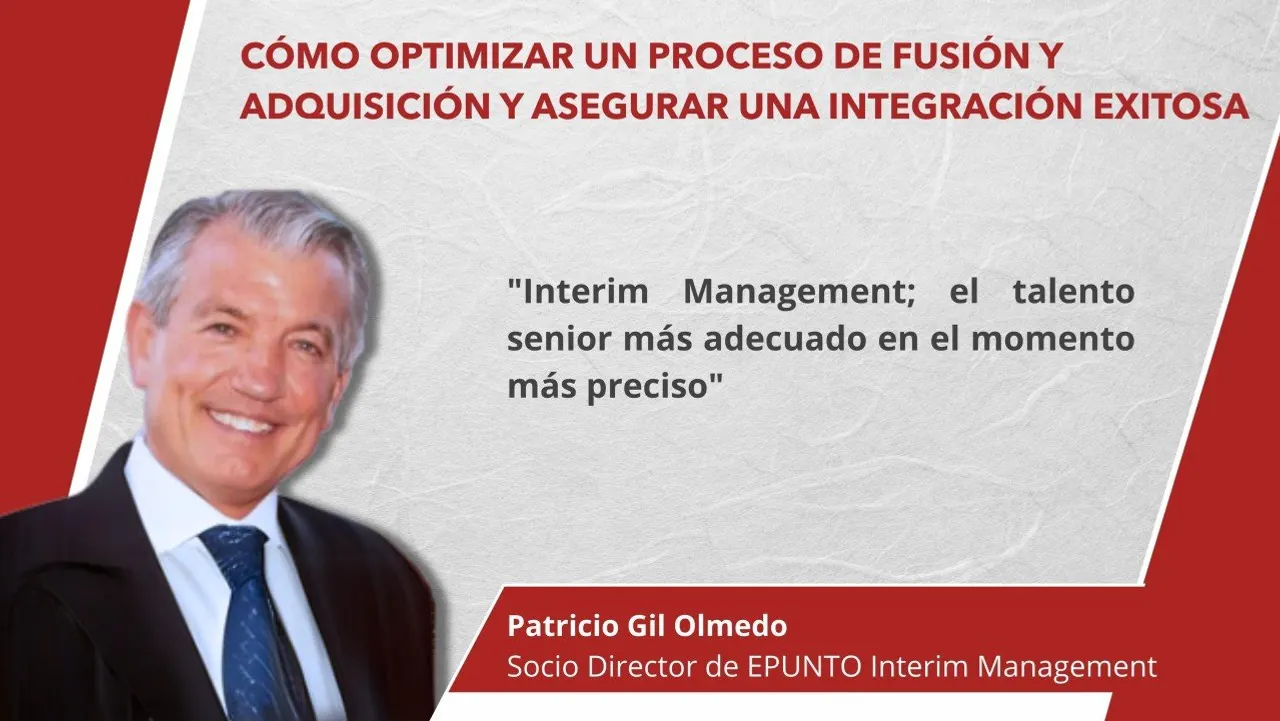
How to optimise a process for mergers and acquisitions and ensure a successful integration
The integration of two organisations following a merger or acquisition is one of the most critical challenges facing senior management, as it lays the foundations for achieving synergies and growth in a market as competitive and uncertain as today’s. It is essential to have a clear strategy from the outset, which […]
The integration of two organisations following a merger or acquisition is one of the most critical challenges facing senior management, as it lays the foundations for achieving synergies and growth in a market as competitive and uncertain as today’s.
It is essential to have a clear strategy from the outset, one that defines common objectives and assesses the strengths and weaknesses of each party, enabling conflicts to be anticipated and priorities to be set, thereby facilitating an orderly transition.
Transparency and internal coordination are essential; fluid communication prevents decisions being taken in isolation and aligns all departments towards the common goal. Furthermore, making the most of available technology – including management systems and data analytics systems – facilitates progress monitoring and data-driven decision-making, driving efficiency and adaptability.
At times, internal expertise may be overwhelmed by the scale of the challenge posed by integrating two distinct corporate cultures.
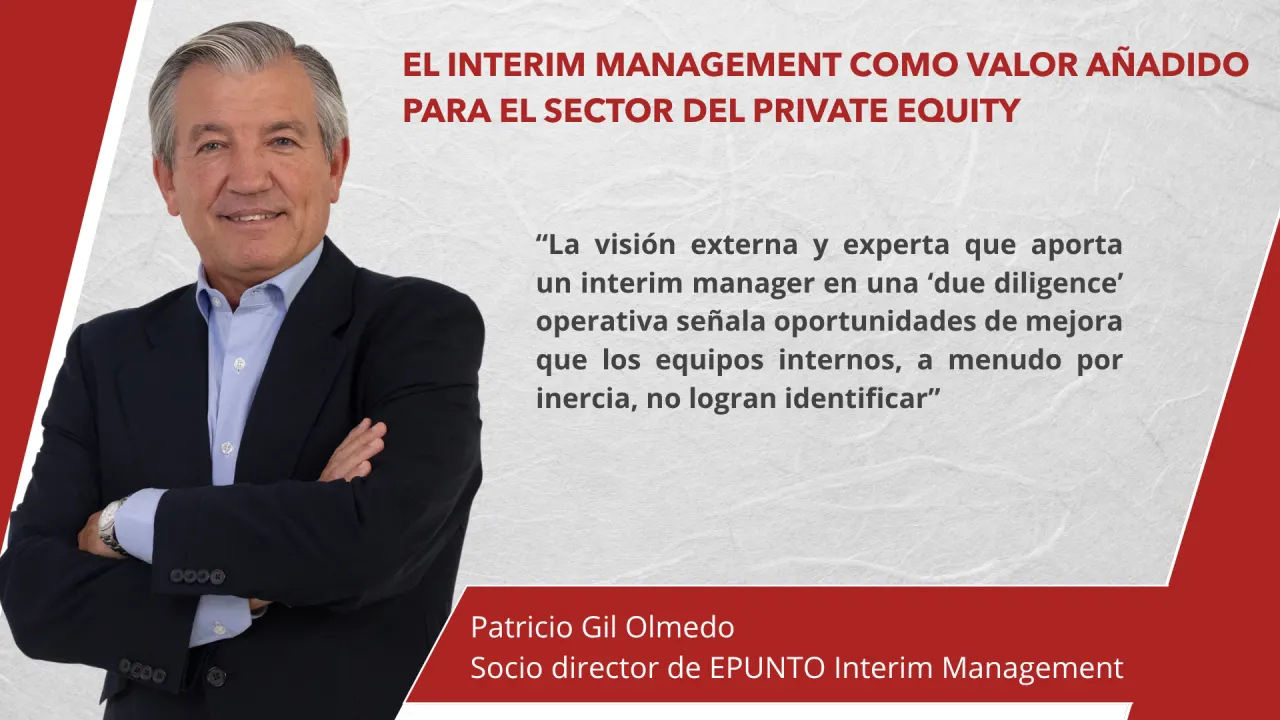
Having temporary external support, such as an interim management professional, can provide a fresh and objective perspective. Interim managers have the necessary experience – having already been through such situations – to manage change and restructuring processes, thereby facilitating the implementation of the planned actions.
Furthermore, continuous monitoring and evaluation ensure that the expected synergies and benefits are achieved.