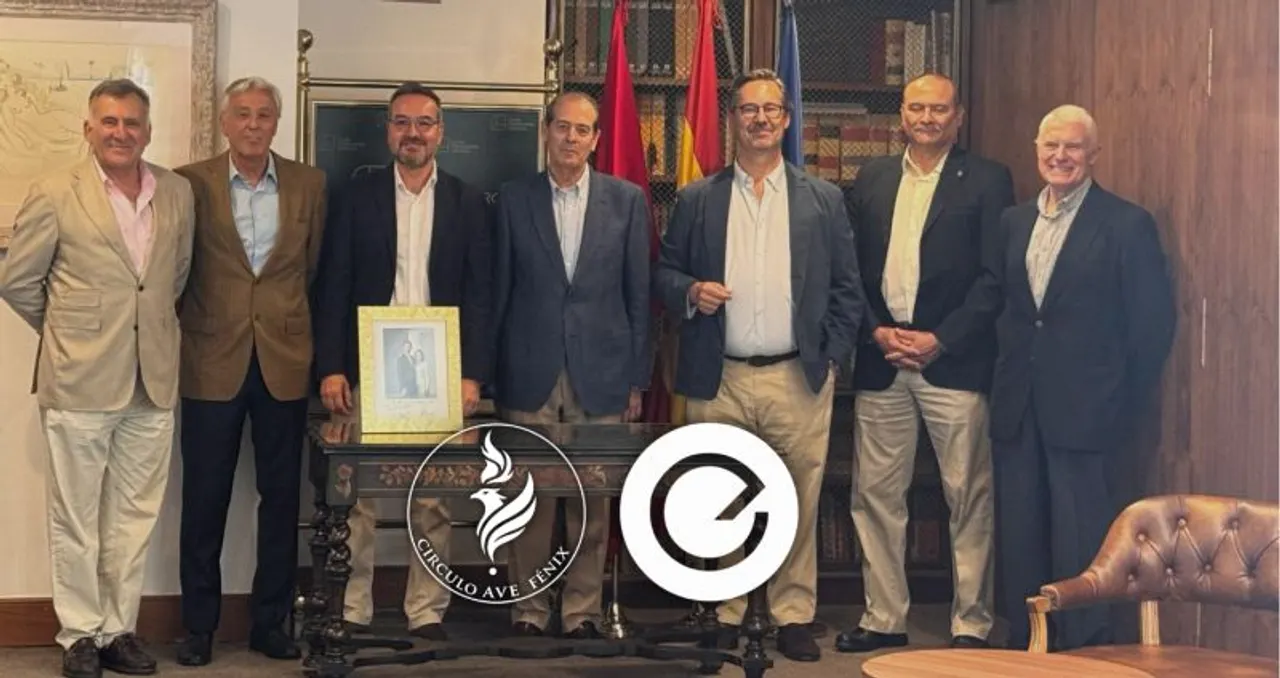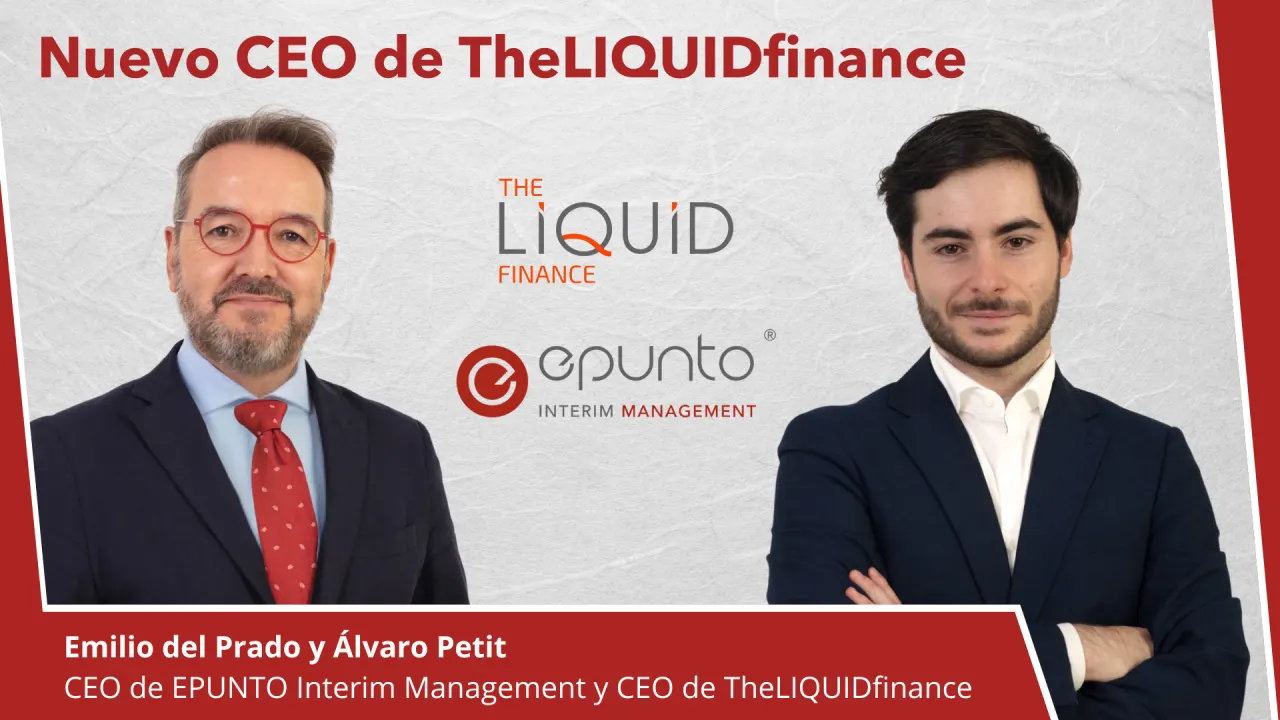
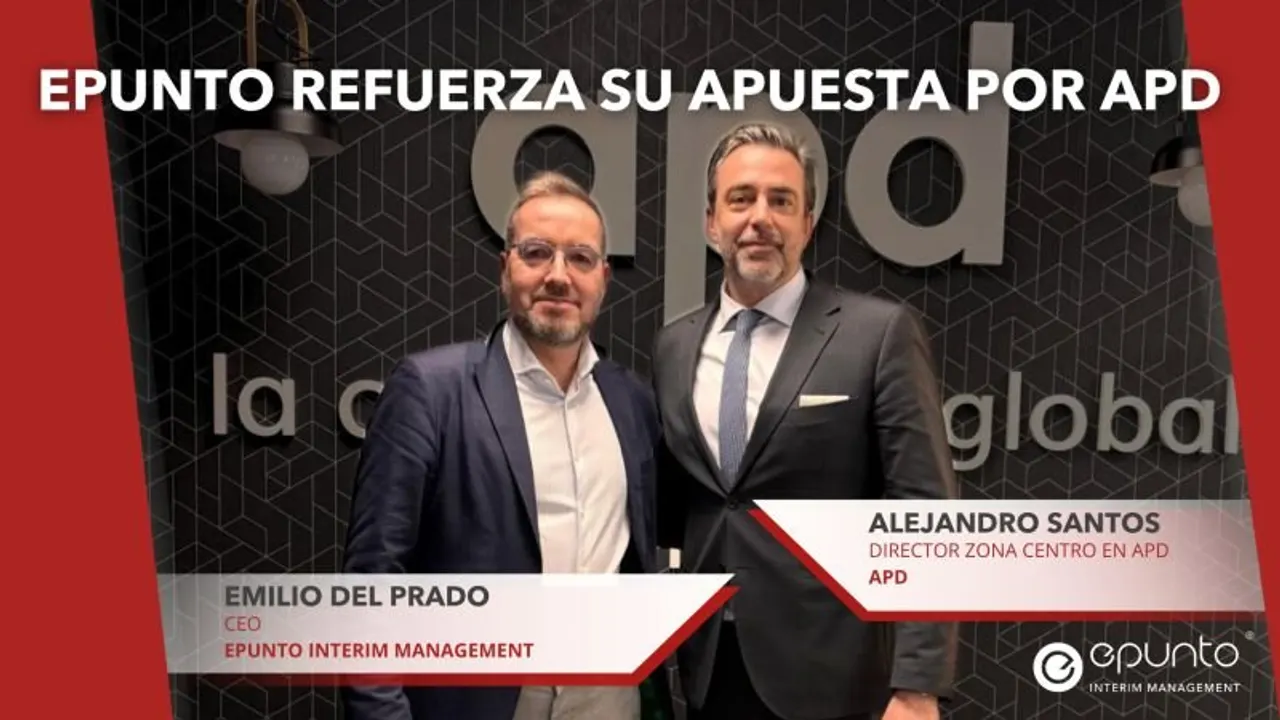
EPUNTO Interim Management is strengthening its presence in the management ecosystem through the APD (Association for the Advancement of Management).
Cyberattack: managerial objectivity as the best line of defence The security incident that occurred this week at a well-known energy company should not be viewed as an isolated event. Rather, it is a stark reminder of today’s business reality: an environment of widespread digitalisation and constantly evolving threats in which […]
The security incident that occurred this week at a well-known energy company should not be viewed as an isolated event. Rather, it is a stark reminder of today’s business reality: an environment of widespread digitalisation and constantly evolving threats, in which ‘zero vulnerability’ is a pipe dream.
At EPUNTO Interim Management, we analyse this incident not only from a technological perspective, but also from the point of view of executive crisis management.
When a large corporation faces a security breach of this magnitude, the real risk goes beyond data leaks or service disruption; the danger lies in paralysis during decision-making and the resulting reputational damage stemming from reactive management.
Objective vision, firm leadership and a focus on results
The key question is: how can organisations fortify not only their systems, but also their ability to respond? At EPUNTO Interim Management, we maintain that the solution lies in an objective vision, firm leadership and an unequivocal focus on results.
The hidden risks behind the breach
Once the initial technical impact has been overcome, situations such as the one experienced in this case often expose structural weaknesses that can jeopardise the company’s future:
- Analysysitis: The fear of making mistakes can paralyse internal teams, delaying decisions that are vital in the early stages of the crisis.
- Loss of strategic focus: The urgency of ‘putting out fires’ shifts priorities, causing management to lose sight of its long-term objectives.
- Crisis of confidence: The lack of clear and transparent communication can, in a matter of hours, erode the credibility built up over years with investors, customers and regulators.
The value of an objective perspective: the interim manager as a strategic asset
At times of peak tension, it is common for ad hoc teams to find themselves too caught up in corporate and emotional dynamics to clearly envisage a solution. This is precisely where the role of an external leader becomes crucial.
The added value of an interim manager lies in their ability to interpret information and context without the bias of internal politics, nor the fear of the consequences their decisions might have on their career within the organisation.
Below, we outline four key areas in which this objective and pragmatic perspective can transform the management of a crisis of this magnitude:
1. Impartial diagnosis and swift execution: Whilst the internal structure struggles to come to terms with the blow, a senior external executive can assess the true extent of the problem and devise an immediate action plan. Their impartial approach enables them to identify inefficiencies and make difficult decisions with rigour and fairness – a crucial aspect of urgent restructuring or the management of critical incidents.
2. Ethical leadership and moral authority: In the face of a cyber-attack, technology detects the intrusion, but managing the ethical and reputational consequences requires the human touch. An interim manager brings moral authority and credibility that go beyond mere numerical results. Their temporary position reduces the perception of an internal threat, enabling them to lead firmly and restore stakeholders’ confidence.
3. Transparent communication as a strategy: Managing resistance and fear demands open communication. Leaders must explain the ‘why’ behind emergency measures and how these can protect the company’s strategic vision. An external manager, an expert in change management, knows how to strike the right tone and choose the exact moment so that the message reassures and engages the team, transforming uncertainty into action.
4. Results-oriented approach: An interim manager’s purpose is clear: to solve the problem. By working towards specific objectives and success metrics defined from the outset, their management is not bogged down by bureaucracy. Their focus is on implementing swift and effective solutions that minimise the impact on day-to-day operations and ensure business continuity.
Conclusion: turning vulnerability into strength
These events highlight that, in 2026, corporate security is not just a matter of software, but of leadership talent.
At EPUNTO, we are convinced that having experienced leaders on demand enables companies to tackle complex challenges with confidence.
Bringing in an external and objective perspective not only resolves the current crisis but also leaves a legacy of best practice that prepares the organisation for the future.